Yellow Swirl Flower Embroidery Review for Craft Fair Sellers
As an embroidery designer preparing for a weekend craft fair, every design file gets a real-world evaluation. My table display needs to work: embroidered tote bags, aprons, tea towels, patches, caps, pillow covers, and small pouches all competing for customer attention. Today, I’m reviewing the Yellow Swirl Flower Embroidery File from the point of view of a booth owner who needs to sell. Let’s see if this single flower design has the bold beauty and practical production value to stand out.
First Impression: Bold & Cheerful, Perfect for Market Visuals
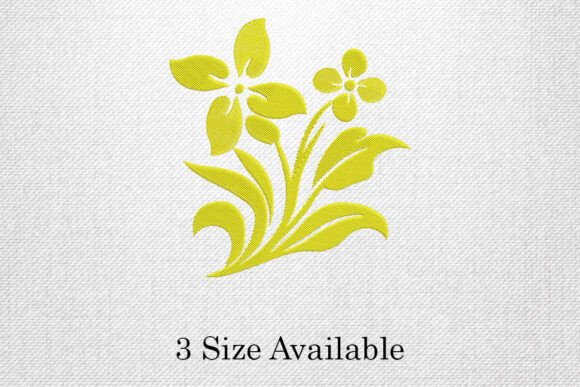
Based on the description, the Yellow Swirl Flower Embroidery File promises a bold, clean aesthetic. The word “swirl” suggests movement and a modern, decorative feel, while “yellow” instantly signals cheerfulness. This isn’t a minimal or overly rustic design; it leans toward a vibrant, premium decorative style. At a craft fair, that first impression is crucial. Customers scanning a booth from a distance need to see pops of color and clear, attractive motifs. A yellow swirl floral design on a navy tote bag or a white apron would create immediate visual contrast, pulling people in. It feels giftable and versatile—not tied to a specific season, which is ideal for a general handmade market.
Performance on Key Craft Fair Products
Where does this embroidery file truly shine when turned into a physical product? Let’s walk through my typical booth lineup.
Tote Bags & Market Bags: The Anchor Product
A bold floral design like this is a classic winner for tote bags. The clean satin stitching mentioned should provide a smooth, professional finish that elevates a simple canvas bag. For craft fair sellers, tote bags are often the anchor product—they’re large, visible, and have a higher perceived value. The Yellow Swirl Flower Embroidery File would work excellently as a large focal point on the front or pocket. It’s important to test the design size; if the swirl details are too intricate, they might lose clarity on textured canvas. A successful test on scrap fabric will confirm this.
Aprons & Kitchen Towels: Farmhouse Charm with Modern Twist
For aprons and tea towels, this design adds a modern twist to farmhouse-style goods. A single, bold flower on a kitchen towel corner or apron bib is instantly understandable and feels handmade yet polished. The yellow color works well on natural linen, white cotton, or even dark denim aprons, provided thread contrast is strong. Satin stitching on towels requires careful stabilizer choice to handle the fabric’s texture and prevent puckering.
Pillow Covers & Pouches: Elevating Home Decor & Gifts
Pillow covers are a higher-value item, and a well-executed embroidered flower can justify a higher price point. The swirl motif suggests a design that’s more decorative than cute, leaning into elegant home decor. On small fabric pouches or clutches, it becomes a beautiful accent. For batch production, if the design is not overly dense, it becomes repeatable and efficient.
Caps & Patches: Testing Adaptability
Caps and embroidered patches are popular, but they test a design’s adaptability. Curved cap surfaces and smaller patch sizes require designs that remain clear at reduced scales. The Yellow Swirl Flower Embroidery File must be examined for tiny details that might get lost. If the swirls are made of clean, broad satin columns, it might succeed. If there are very thin lines, it could be problematic. Always create at least one real mockup on a cap before committing to batch production.
Practical Production & Selling Points
Turning a digital embroidery file into a sellable craft fair product involves several practical checks.
Ease of Understanding & Photographing
This design’s strength is its simplicity. A single flower is easy for customers to understand at a glance, both in person and in online Etsy listings. It photographs well, as a bold color against a solid fabric creates clean, attractive images for digital sellers. This is vital for driving online sales alongside your booth.
Stitch Density & Production Speed
The description notes “clean satin stitching,” which often means manageable stitch density. For a craft fair seller producing dozens of items, a design with excessive density slows production, consumes more thread, and can cause fabric distortion. Before production, inspect the stitch density on a test piece. A beginner-friendly design, as stated, should be reasonably efficient, making it suitable for batch production for your handmade shop.
Thread Color & Fabric Compatibility
Yellow is a dominant color, but its appearance changes with fabric choice. On dark fabrics, you need a bright, opaque yellow thread. Always test on scrap fabric of the exact type you’ll use—whether it’s thick canvas for bags, textured towels, or smooth cotton for pillow covers. Contrast is key for customer attention.
Hoop Size & Stabilizer Strategy
While specific hoop sizes aren’t provided in the description, a single flower design typically fits in common hoop sizes (like 5x7 or 6x10 inches), allowing flexibility. The right stabilizer is non-negotiable. For tote bags, a firm cut-away might be needed; for towels, a tear-away could suffice. This affects the final handmade quality and durability.
Affecting Booth Success: Visual Appeal & Customer Engagement
How does the Yellow Swirl Flower Embroidery File contribute to overall booth success?
It boosts visual appeal by providing a consistent, cheerful motif. You can create a cohesive brand display across different products—a yellow flower on towels, bags, and aprons creates a themed table that looks professional. This increases perceived product value. Customers often buy multiple items from a booth that feels curated.
It engages buyers by being universally likable. A floral design isn’t niche; it appeals to a wide range. In a busy craft fair, that broad appeal is an advantage. It also allows for easy storytelling at the booth: “This bold yellow swirl flower is handmade, perfect for adding a pop of color to your home or wardrobe.”
Final Designer Notes Before You Stitch
Before you load this embroidery file and start producing for your craft fair or Etsy shop, here is my final checklist.
- Test on Scrap Fabric First: Always stitch the Yellow Swirl Flower Embroidery File on a scrap of the actual production fabric. Check for puckering, thread coverage, and clarity.
- Confirm Thread Contrast: Try the design on both light and dark fabrics to ensure the yellow pops adequately.
- Review Design Spacing: If you plan to use it as an accent among other elements, ensure its size and proportions fit your product layout.
- Check Commercial Licensing: As a digital embroidery file, verify its license allows for commercial use of the finished products you sell.
- Create a Real Mockup: Don’t rely solely on printable mockups. Have at least one finished, physical product sample to judge its real-world appeal and quality.
- Compare Fabric Colors: See how the yellow flower looks on various booth fabric colors—neutrals, brights, and darks—to plan your product line.
- Inspect Stitch Density: Run the file and observe if any areas are overly dense, which could affect production speed and fabric choice.
In conclusion, the Yellow Swirl Flower Embroidery File, from a craft fair seller’s perspective, holds strong potential. Its bold, cheerful, and modern decorative style is visually arresting on key products like tote bags, aprons, and pillow covers. Its described beginner-friendly nature suggests practical production efficiency. With careful testing on fabrics and attention to stabilizer and scale, this single flowers embroidery design can become a reliable, sellable star of your handmade market booth, attracting customers and elevating your brand’s handmade quality.