Clover Flower Embroidery: A Designer's Review for Craft Fair Success
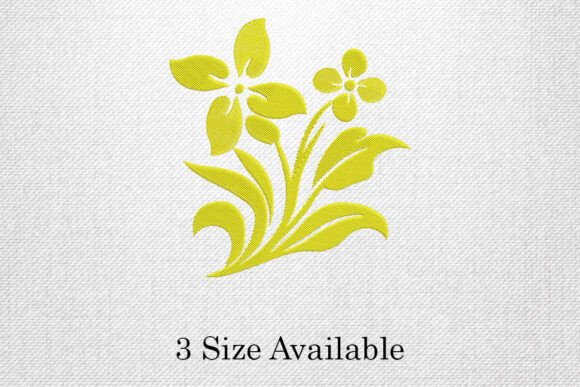
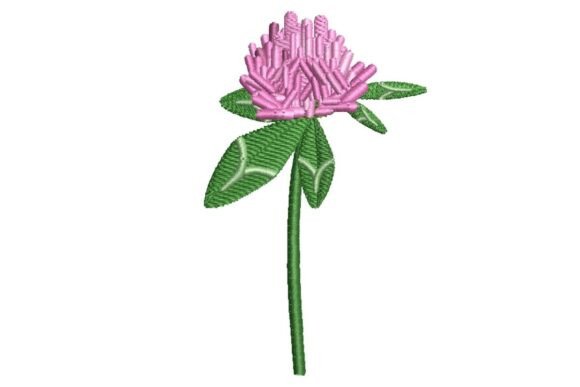
As a professional embroidery designer preparing for a weekend craft fair, my first task is to evaluate every digital embroidery file with a seller’s eye. Today, I’m reviewing the Clover Flower design. The immediate impression is charming, soft, and botanical. It leans towards a cute, rustic aesthetic with a touch of farmhouse charm, rather than being bold or minimal. This mood is key—it feels giftable, approachable, and naturally decorative, which is perfect for the handmade market.
Where the Clover Flower Design Stands Out on Your Booth Table
Imagine your display: tote bags, aprons, tea towels, patches, caps, small pouches, and pillow covers. The Clover Flower design isn’t a loud, shout-from-the-table pattern. It’s a quiet magnet. I see it performing exceptionally well on softer, everyday items where its natural beauty can be appreciated up close. On a linen tea towel or a cotton apron, it feels like a personal, premium touch. On a fabric pouch or a pillow cover, it becomes a delicate decorative accent. It might not be the giant focal point on a large market bag, but as a smaller, thoughtfully placed design on a tote bag’s pocket or corner, it adds immense value.
Product Performance: From Tote Bags to Embroidered Patches
Let’s break down its performance on specific craft fair products.
Tote Bags & Market Bags: Here, the Clover Flower acts as a lovely accent. Its size and style suggest placement as a secondary design, perhaps paired with text or alongside other botanical motifs. It elevates a simple bag, making it feel handmade and special, rather than just functional.
Aprons & Kitchen Towels: This is a prime category. The rustic, charming vibe of the Clover Flower aligns perfectly with kitchen textiles. On a tea towel, it photographs beautifully for online listings, suggesting quality and care. On an apron, especially on a pocket or waistband, it catches the eye without overwhelming the garment.
Embroidered Patches: This is a strong contender. The Clover Flower’s likely clear shape makes it ideal for a patch. Patches are hot sellers, and this design, with its good luck symbolism, can be marketed for St. Patrick’s Day or general botanical love. It’s a low-cost, high-appeal item that can drive quick sales.
Caps & Pouches: On curved surfaces like caps, you must consider distortion. A design with moderate detail, like this one, needs careful stabilizer choice to maintain clarity. On small pouches, it becomes a perfect focal point, making the item feel complete and gift-ready.
Pillow Covers & Home Decor: For botanical decor, this design is ideal. It can be repeated or used singly on a pillow cover to create a soft, spring-themed product. It enhances the perceived value of the item, moving it from simple to decorative.
Practical Selling Points for the Creative Entrepreneur
This design’s selling power lies in its easy-to-understand charm. Customers at a craft fair grasp its appeal at a glance: it’s a pretty flower, it symbolizes luck and nature. It works as a small accent, which is versatile, but it may not have the scale to be a large, standalone focal design on very big products. For batch production, its apparent simplicity suggests it could be repeatable, but that depends entirely on the actual stitch count and density in the embroidery file. High stitch counts on dense areas can slow down production.
Photography for your Etsy listings or printable mockups will be crucial. The Clover Flower, with its presumably clean lines, should photograph well, especially on light or neutral fabrics where the thread contrast is strong. On dark fabrics, you must test thoroughly—some designs lose vital detail.
Careful Production Notes for the Embroidery Designer
Before you run this on dozens of products, your in-house testing is non-negotiable. Here are my direct notes from the designer’s bench.
- Test on Scrap Fabric First: Always. Use the fabrics you plan to sell: linen for towels, cotton for bags, denim for caps. Check for puckering, thread coverage, and clarity.
- Check Thread Contrast: This charming, soft design likely relies on subtle color shifts. Ensure your chosen thread colors pop against your fabric choices, especially for online photos.
- Review Stitch Density & Tiny Details: Examine the embroidery file closely. Are there dense stitch areas that could be tough on textured towels? Are there tiny details that might vanish on a small patch or on a curved cap surface? This affects both quality and production speed.
- Confirm Hoop Size & Stabilizer: The design description doesn’t specify hoop size. You must confirm this from the file itself to match your products. A small hoop size is great for patches and pouches; a larger one for pillows. Use the right stabilizer for each fabric type—this is critical for professional results.
- Create One Real Mockup: Before batch production, make one finished product, like a tea towel or pouch. This reveals real-world issues and gives you a stunning sample for your booth or Etsy shop photo.
- Compare Fabric Colors: The Clover Flower might look best on creams, light greens, whites, and soft linens. Test on a few colors to find the most appealing combination for customer attention.
- Confirm Commercial Licensing: Before selling any finished product, verify that your digital embroidery file license permits commercial use. This is a fundamental step for every small shop product.
Final Judgement: Booth Display Strength and Buyer Engagement
From a craft fair perspective, the Clover Flower embroidery design strengthens your booth by offering a cohesive, nature-themed option. It boosts your brand consistency if you specialize in botanical or rustic styles. Its visual appeal is gentle but effective, drawing customers who appreciate handmade quality and subtle decoration.
To maximize buyer engagement, merchandise it smartly. Pair a Clover Flower embroidered patch with a plain tote bag as a customization idea. Display tea towels with this design folded prominently to show the detail. Talk about its symbolism—good luck, spring renewal—to create a story. This turns a simple single flowers embroidery into a meaningful purchase.
In summary, the Clover Flower is a versatile, charming asset for the handmade market. Its success hinges on your professional execution: choosing the right products, testing meticulously, and presenting it with its story. It won’t be your loudest seller, but it will be one that resonates deeply, adding quality and thoughtful beauty to your craft fair table and your online shop.