A Practical Review of the Floral Giraffe Embroidery Design
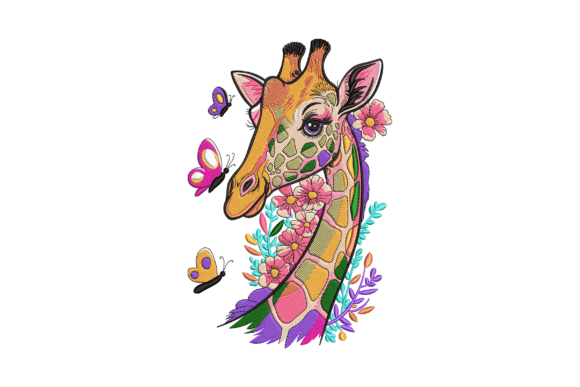
When you’re selecting a machine embroidery design for real projects—whether for a client’s custom order, your own handmade shop merchandise, or a personalized gift—the first impression is everything. The Floral Giraffe design immediately lands with a sense of whimsy and charm. It’s not just a giraffe; it’s a character. The integration of floral elements within the animal’s form creates a soft, artistic personality that feels both playful and sophisticated. This blend of wild animals and botanical themes suggests it’s perfect for projects aiming for a friendly, slightly magical touch rather than a stark, realistic portrayal.
Where This Design Naturally Thrives
My mind goes straight to specific applications. For a boutique baby item, like a blanket or a keepsake pillow cover, the Floral Giraffe offers a gentle, storybook aesthetic. It would be a standout feature on a nursery decor piece. For a creative entrepreneur selling at craft fairs, this design could transform a simple cotton tote bag or a linen apron into a unique, conversation-starting product. I can easily visualize it on the back of a lightweight sweatshirt for a personalized gift, or as a central motif on a tea towel for a kitchenware line.
The design’s layout, with likely a balanced composition, seems suited for a medium-sized hoop. This makes it versatile for a range of custom apparel and home decor without being overwhelmingly large or too tiny to appreciate the details. Its whimsical nature lends itself perfectly to holiday gifts, wedding presents for nature-loving couples, or as a brand-consistent element for a small shop focusing on joyful, handmade products.
Considerations for Stitching Success
In practical embroidery situations, a design like Floral Giraffe requires some forethought. On textured fabrics like some blankets or bag materials, the finer floral details might need a careful stabilizer choice to maintain clarity. On stretchy fabric for t-shirts or baby clothes, you’ll want to ensure the stitch density is appropriate to prevent puckering and maintain the design’s integrity over time.
Dark fabric backgrounds are a classic consideration. The charm of this design relies on its visual personality, so thread color contrast is paramount. Testing on scrap fabric first is non-negotiable here. You need to see how the fill stitches in the giraffe and the potential satin stitches or running stitches in the floral accents pop against a darker base. This step directly impacts the finished product’s visual appeal and professional presentation.
The Real-Life Scenario: A Custom Embroidered Tote
Let’s walk through a real case. Imagine you’re preparing a custom embroidered tote bag for an Etsy listing or a craft fair. You hoop a sturdy canvas tote. The Floral Giraffe embroidery file is loaded. As it stitches, you’re watching for those small details—the transition between the animal shape and the floral patterns. A successful stitch here means a product that feels cohesive and high-quality. A customer seeing this tote bag design isn’t just buying a bag; they’re buying a piece of art. It elevates the product value and builds trust in your craftsmanship as a maker or small business owner.
For apparel decorators, applying this to a curved surface like a cap presents a different challenge. The design’s shape would need to adapt well to the curve; inspecting the design preview in a mockup on a cap template is crucial. Does it look compressed or distorted? This directly affects buyer engagement if you’re using printable mockups for your digital product previews or online listings.
Where to Exercise a Bit of Caution
While versatile, the Floral Giraffe might not be ideal for every scenario. If the design has very dense stitch areas, using it on thin fabric like a lightweight t-shirt could lead to stiffness. Similarly, for products destined for frequent washing, like kitchen towels or baby clothes, you’d want to ensure the stitch structure is robust enough to withstand that use without fraying.
Also, for commercial embroidery projects where speed and consistency are key, it’s wise to test the design’s runtime and thread consumption on your specific machine. For digital product sellers offering this as a design asset, providing clear notes on recommended hoop size and fabric types based on your tests would be a valuable addition for your fellow embroidery designers.
Impacting Your Creative Business
Beyond the stitch itself, using a design like Floral Giraffe affects your brand’s feel. For a handmade shop owner, consistently using designs with this friendly, artistic vibe can create a recognizable brand identity. It’s giftable—it has that immediate, warm appeal that makes someone think, “This is perfect for my friend.” That emotional connection is what turns a simple embroidered patch or pillow cover into a sought-after item.
From a professional designer’s point of view, the clarity of the stitch is everything. After stitching, does the giraffe form remain distinct? Do the floral accents look intentional and clean? This clarity translates directly to customer perception of quality. It’s what separates a hobby project from a sellable, boutique product.
Essential Designer Notes Before You Hoop
- Always, always stitch a test on a scrap piece of your project fabric first. This reveals everything about thread interaction and stabilizer needs.
- Check the design in both black and white mockups to understand its silhouette and how it will look on light versus dark backgrounds.
- Confirm the actual hoop size requirement from the file provider. Don’t assume.
- Review the design preview meticulously for any tiny details that might get lost on textured fabrics or in smaller hoop sizes.
- If you’re selling the finished product or using it for commercial embroidery, explicitly confirm the licensing terms for the digital embroidery file. This protects your craft business.
- Plan your thread colors strategically. Contrast is key for visual appeal, especially for the floral elements against the giraffe body.
The Floral Giraffe machine embroidery design has the inherent charm to be a star in many projects. Its whimsical blend of themes offers a fresh take on wild animals embroidery, making it suitable for a wide audience from baby embroidery to stylish custom apparel. By approaching it with a practical, tested mindset—thinking through fabric choices, end-use, and visual impact—you can turn this digital design into a flawless, beloved finished product that enhances your handmade presentation and resonates with customers, gift-receivers, and your own creative vision.