Embroidery Designer Review: Floral Folk Bow Design
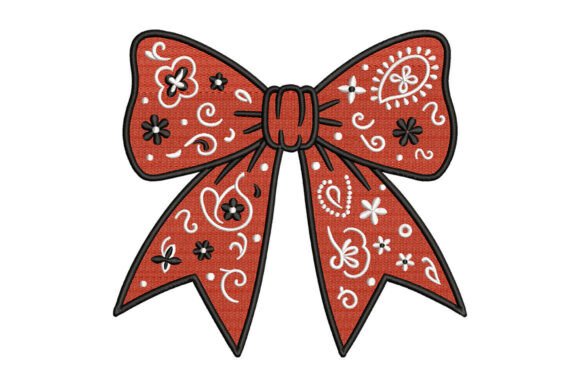
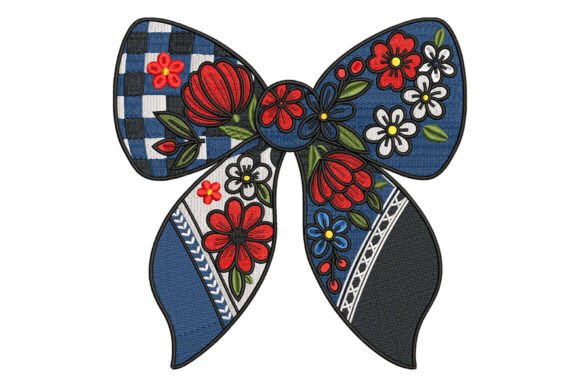
As a professional embroidery designer preparing for a weekend craft fair, my first task is to evaluate new designs for their potential as profitable, beautiful handmade products. The Floral Folk Bow Embroidery Design immediately catches my eye. Based on the description, this design leans heavily into a decorative, elegant aesthetic with a rustic folk charm. The color palette of red, white, blue, and green suggests a versatile, classic appeal that isn't tied to a specific season, which is ideal for year-round craft fair selling.
First Impression and Market Mood
The Floral Folk Bow Embroidery Design feels both elegant and approachable. The "folk" element implies a handmade, artisan quality that resonates deeply with craft fair customers looking for something unique. It's decorative and premium without being overly formal. This mix is perfect for the handmade market—it's not minimal, not overly cute, but sits comfortably in that sweet spot of detailed, thoughtful craft that looks like a worthwhile purchase. In a booth display surrounded by tote bags, aprons, and pillow covers, this design would stand out as a colorful focal point with a traditional yet fresh feel.
Product Performance: Where This Design Shines
My real-world judgment centers on what items will sell and what will showcase the design's strengths. For the Floral Folk Bow Embroidery Design, I'm thinking about fabric, scale, and customer use.
Strong Product Candidates
- Tote Bags and Market Bags: This design has the size and detail to act as a beautiful central motif on a bag. The colors pop, and the elegant bow adds a feminine touch that appeals to gift buyers.
- Aprons and Tea Towels: The folk aesthetic is perfect for kitchen textiles. On an apron, the bow would look charming at the chest or waist. On a tea towel, it becomes a standout decorative element, elevating a simple item into a premium handmade product.
- Pillow Covers: This is where the design could truly shine as a premium item. The detailed floral patterns and checkered textures would create a rich, custom look for home decor, increasing perceived value.
- Fabric Pouches and Small Gift Items: As a smaller accent on a pouch or zipper bag, the design offers a lovely detail. This is great for batch production—creating a cohesive line of small accessories for your booth.
Considerations for Other Products
- Caps: The curved surface can be tricky. The design's density and possible small details might lose clarity unless simplified or carefully placed. Test on scrap fabric first.
- Embroidered Patches: This could work well if the embroidery file is adaptable. However, dense stitch areas might make the patch too stiff. Check the stitch density and whether tiny floral elements remain clear at a reduced size.
- Dark Fabric Applications: The described tones, especially the white and green, would need strong contrast. Always test thread colors on your actual dark fabrics before committing to production.
Practical Production and Selling Points
Turning this digital embroidery file into successful craft fair products requires a practical eye.
Visual Clarity and Batch Production
The mix of flowers, leaves, and checkered textures suggests good visual complexity. At a glance, customers will understand it's a floral bow—a recognizable, appealing symbol. This makes it a safe bet for quick customer engagement at the booth. For batch production, the design feels repeatable. It's not overly simplistic, but its structure seems consistent, allowing you to efficiently produce multiple tea towel embroideries or tote bag designs without each one feeling like a unique, time-consuming challenge.
Photography and Online Sales
For Etsy sellers and online listings, this design photographs well. The color variety provides natural interest, and the detailed patterns will look professional in close-up shots. Creating a printable mockup for your listings is wise, but always supplement it with photos of at least one real physical mockup. The texture of the stitches on fabric, especially on items like pillow covers, is crucial to convey the handmade quality online.
Careful-Use Notes for Embroidery Designers
Here are my direct notes from the designer's perspective, imagining hooping the first sample.
- Test on Scrap Fabric First: Always do this. Check how the dense areas (likely the bow itself) behave on your intended base materials, like textured towels or thick bag fabric.
- Review Spacing and Hoop Size: The description doesn't specify size. Confirm the intended hoop size from the file details. A design with this detail likely needs a medium to large hoop to maintain clarity.
- Stabilizer is Key: For products like aprons or tote bags with heavier fabric, the right stabilizer will prevent puckering and keep those elegant lines crisp.
- Thread Contrast Check: The red, white, blue, and green tones might interact differently on various fabric backgrounds. Sew small samples on white, natural, and colored fabrics to see what sells best visually.
- Commercial Licensing: Before selling any finished product, confirm your license for commercial embroidery allows it. This is a non-negotiable step for any small shop product.
Why This Design Boosts Your Booth Appeal
Finally, the Floral Folk Bow Embroidery Design isn't just a file; it's a potential brand builder for your craft fair table.
Its visual appeal is direct and engaging, pulling customer attention in a busy marketplace. Applied to well-chosen products like pillow covers or high-quality totes, it increases the product's value perception—it looks custom-made and carefully crafted. This consistency across multiple items (e.g., a towel, pouch, and bag all featuring the design) strengthens your booth display, creating a recognizable, professional collection. It encourages buyer engagement; customers who like the style on one item will look for it on others. For creative entrepreneurs, this design offers a versatile, attractive foundation for a whole line of handmade products, perfectly balancing decorative detail with practical, sellable charm.