A Review of the Two-Tone Leaf Branch Embroidery Design
First Impression: Soft, Minimal, and Perfectly Decorative
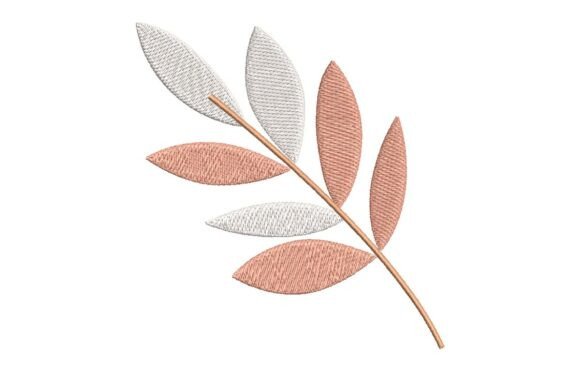
Looking at the Two-Tone Leaf Branch Embroidery Design, my immediate thought is that this is a wonderfully soft and minimal decorative piece. It doesn’t scream for attention; it whispers elegance. The description calls it “charming” and “stylized,” which feels accurate. It has that delicate, natural vibe that fits seamlessly into both rustic farmhouse aesthetics and more modern, clean-lined decor. For a craft fair product, this is a huge advantage. It’s not tied to a specific season or trend, meaning it has year-round appeal and can be positioned as a premium, thoughtful gift.
Where This Design Shines in Your Booth
When I imagine my table at a weekend market, covered in handmade products, I see specific items where this design would become a star. The key is placing it on products where its subtle beauty can be appreciated up close.
On pillow covers and tea towels, it becomes a beautiful accent that enhances the item’s function without overwhelming it. A single branch on a linen tea towel feels artful and useful. On fabric pouches and small market bags, it acts as a lovely signature, elevating a simple utility item into a giftable piece. For embroidered patches, this design could be fantastic, but careful testing for size is crucial—those delicate leaves need to retain clarity.
However, I believe its strongest potential is on tote bags and aprons. On the flat, visible canvas of a tote bag, the slender branch becomes a graceful focal point. On an apron, placed perhaps on the chest or pocket, it adds a touch of handmade personality that customers love. These are also high-volume items at fairs. A cap is a trickier application due to the curved surface; the design would need to be scaled and positioned perfectly to avoid distortion.
Customer Attention and Booth Display Strategy
This design won’t be the loudest piece in your booth, but it will be the one that draws customers in for a closer look. Its appeal is tactile and detailed. To make it stand out on a crowded table, I would create one stunning, larger-scale version—perhaps on a crisp white pillow cover—as a centerpiece sample. This shows the craftsmanship. Then, have the smaller, quicker-to-produce items like tea towel embroidery and pouches around it. Customers notice quality, then see the versatility, which increases perceived value and can lead to multiple sales.
Practical Production: What to Test Before You Sell
Turning this digital embroidery file into profitable products requires some practical checks. Here are my key notes as a designer preparing for batch production.
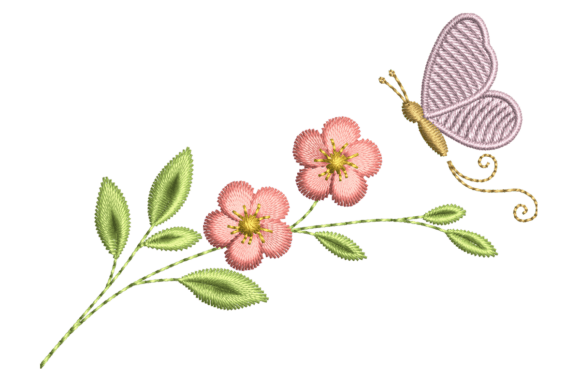
- Stitch Density and Tiny Details: The description mentions “multiple delicate leaves.” This signals that we must test the stitch density on our actual fabrics. Dense areas on delicate leaves can pucker on lightweight linens. On textured towels, they might lose sharpness. Always test on scrap fabric first.
- Thread Color Contrast: The branch is in a “light brown or peach color.” This choice is beautiful but requires careful pairing with fabric backgrounds. On white or cream, it will pop softly. On dark fabric, like a navy tote bag, that light thread might disappear. You must check thread contrast and possibly adjust the color for different applications.
- Size and Scale Flexibility: Is this design best as a small accent or a large focal piece? For a small shop product, you need both. Test it at different sizes to see if the slender branch retains its elegance when enlarged and if the delicate leaves stay clear when minimized for a pouch corner. This determines your hoop size options and production speed.
- Photography and Online Sales: For Etsy sellers, how this design photographs is critical. Its soft two-tone nature needs good lighting to show the texture. Create at least one real mockup—don’t rely only on printable mockups—and photograph it on a real tea towel or tote bag. The handmade quality needs to be visible online.
- Batch Production and Repeatability: This design feels highly repeatable. It’s not overly complex, which means stitching it multiple times on a batch of aprons or towels should be consistent and efficient. Confirm your stabilizer choice for each fabric texture to ensure every copy looks as good as the first.
Selling Points and Value Enhancement
From a selling perspective, the Two-Tone Leaf Branch Embroidery Design does several things well. It elevates ordinary items into handmade gifts. A simple tea towel with this embroidery feels like a boutique purchase. It supports brand consistency; if your shop vibe is natural and elegant, this design reinforces that across multiple products. Its versatility allows you to offer a range of price points—a smaller patch for less, a large pillow for more—capturing different buyers.
Most importantly, it showcases skill without being intimidating to the customer. They see the careful stitching of each leaf, which speaks to quality and care. In a busy craft fair, that genuine handmade quality is what creates engagement and closes sales.
A Final Checklist Before the Fair
As you prepare your craft fair product line with this design, here is my quick final review list:
- Have you confirmed the commercial embroidery licensing for this embroidery file? This is essential.
- Have you produced physical samples on at least three key products (e.g., tote, towel, pouch)?
- Have you compared how it looks on light and dark fabrics and noted any thread color adjustments needed?
- Is your pricing set based on the production time and material cost for each product type?
- Do your booth display plans include one prominently featured, larger item with this design to draw attention?
The Two-Tone Leaf Branch Embroidery Design is a solid, versatile choice for makers targeting customers who appreciate understated, natural beauty. Its success hinges on thoughtful application and rigorous pre-fair testing. By pairing it with the right products and presenting it with craftsmanship upfront, this charming design can become a quiet but powerful seller in your handmade shop product lineup.