A Review of the Stylized Pastel Daisy Embroidery Design
The First Glance: Gentle Charm with Modern Flair
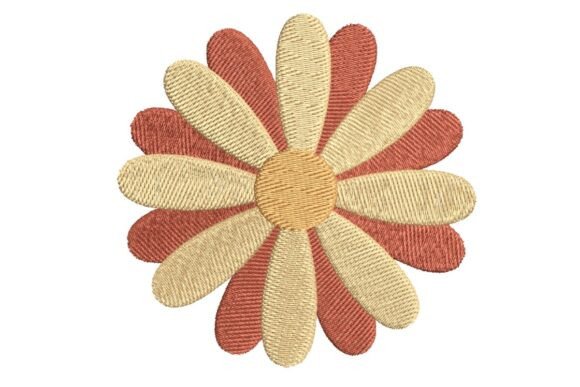
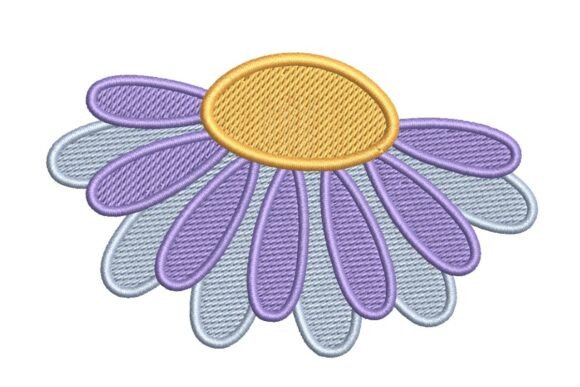
When you first open this design, its mood is immediately clear. This is not a rigid botanical study. It’s a stylized, friendly character. The angled presentation and layered petals give it a sense of gentle motion, a soft dynamism that feels contemporary yet timeless. The alternating textured petals in light purple and very light blue or white create a subtle, sophisticated rhythm. The color palette whispers rather than shouts, evoking spring mornings, soft cotton, and quiet elegance. It feels like a design that belongs on something cherished.
Where This Daisy Blooms Best: Real Project Scenarios
Let’s talk about where this design will truly shine. I’m picturing it on a linen tote bag for a boutique—the soft colors and stylized form elevate a simple accessory. On a baby’s organic cotton blanket or a delicate pillow cover for a nursery, it creates a serene, joyful focal point without being overwhelming. For a custom sweatshirt, it offers that perfect balance of decorative detail and wearable simplicity, especially for a lighter colored garment.
As a professional, I also see strong potential for personalized gifts. Imagine this daisy embroidered on a high-quality apron with a name subtly integrated, or as a singular, beautiful accent on a wedding gift tea towel. For small shop owners, this design could become a signature element on a line of spring-themed kitchen textiles or lightweight scarves. Its personality is versatile: it can feel boutique, handmade, giftable, and professional all at once.
A Specific Scenario: Crafting a Boutique Tote
I recently considered it for a client’s line of market tote bags. The goal was an embroidered piece that felt special but not fussy, suitable for both everyday use and as a gift. This daisy was a front-runner. Its angled layout fills space beautifully without demanding a huge hoop size, and the pastel palette allows it to work with a range of fabric colors—cream, light gray, even a soft sage. The stylized nature means it won’t look out of place next to more modern graphic branding. It’s a design that adds value through its aesthetic appeal and stitching clarity, increasing the perceived craftsmanship of the finished product.
Navigating the Stitching: Practical Performance Notes
In real embroidery situations, this design’s layered structure is its key feature. The alternating petals will rely on clean satin stitches or textured fill stitches to define that lovely contrast. On stable fabrics like cotton twill, canvas, or linen, it should perform beautifully, resulting in a crisp, detailed finish.
Careful attention is needed, however, on stretchy fabrics like t-shirts or thin fabrics like fine cotton. The potentially dense areas in the petal layers require a good, appropriate stabilizer to prevent puckering. For dark fabric backgrounds, you’ll need to review thread color contrast thoroughly; the very light blue or white petals may need a slightly more pronounced thread choice to maintain visibility. This design might also present challenges on highly textured fabrics or curved surfaces like caps, where smaller details could get lost. It’s likely best suited for a medium hoop size that allows its layered details to stitch out cleanly.
Designer Notes for a Smooth Stitch-Out
Before committing to a final project, here’s my practical checklist. Always test this embroidery file on a scrap of your target fabric first. This is non-negotiable. It allows you to check stitch density, inspect the clarity of the alternating petal details, and confirm your chosen thread colors—perhaps trying a slightly brighter white or a more distinct lavender if needed. Compare how it looks in a simple black-and-white mockup to assess form, and stitch it on both a light and dark background scrap if your product range includes both. Using the proper stabilizer for your specific fabric is crucial for preserving the design’s delicate texture.
Furthermore, for anyone using this for commercial purposes—Etsy sellers, apparel decorators, small business owners—you must confirm the licensing terms of the digital embroidery file before selling finished items. Does it allow for commercial use? This step protects your business and maintains customer trust.
The Bigger Picture: Impact on Your Craft and Business
Beyond the technical, this design affects your work’s visual appeal and brand consistency. For a maker specializing in gentle, pastel-themed goods, this daisy could become a cohesive brand asset. It enhances handmade presentation by offering a clean, modern motif that still feels crafted. Its giftability is high—it’s universally pleasant and unassuming. For customer engagement in online listings, this design photographed on a finished product (a pillow, a towel) will communicate quality and style quickly, aiding in buyer recognition and decision-making.
It’s a professional choice because it avoids being generic; its stylized angle and color play show thoughtfulness. For a digital product seller offering printable mockups, this design provides a strong, attractive visual for previews that can help sell the embroidery file itself.
Final Thoughts: A Versatile and Charming Asset
The Stylized Pastel Daisy Flower Embroidery Design is a charming and practical asset for a wide range of makers. It suits the crafter making a one-off baby gift, the creative entrepreneur building a line of embroidered apparel, and the hobbyist looking for a satisfying, beautiful project. Its strength lies in its mood and versatility within the single flowers category. By approaching it with practical preparation—testing, stabilizing, and verifying licensing—you can translate this digital design into a physical product that carries its gentle, stylish personality perfectly. It’s a design that, when stitched with care, results in a finished product that feels both special and seamlessly integrated into the item it adorns.