A Real-World Review of Elegant Horse and Floral Line Art
First Impressions: Whimsical Simplicity
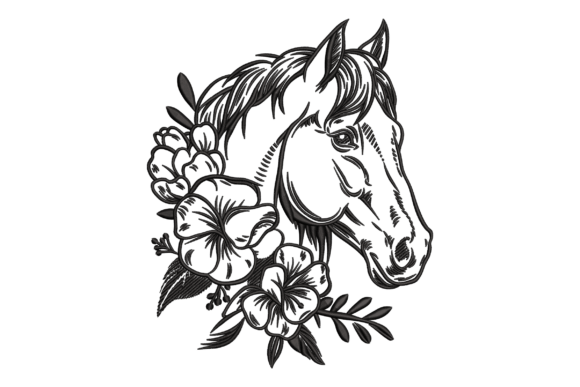
When an embroidery file lands in my project folder, my first question is always about its visual personality. This Elegant Horse and Floral Line Art design immediately strikes a note of graceful whimsy. It’s a line drawing, which means its character is defined by clean contours rather than dense fills. The mood is light, sophisticated, and charming—not heavy or overly ornate. This makes it feel versatile. I picture it on a linen apron in a boutique or a baby’s organic cotton blanket. It doesn’t scream "horse"; it whispers "elegant nature." The layout is balanced, with the floral elements offering a softening counterpoint to the horse’s profile. As an experienced designer, I see this not just as a horse design, but as a piece of decorative line art that can transcend its category.
Where This Design Finds Its Perfect Home
Thinking through my recent client projects and my own craft business items, I can instantly map this design to several winning applications. Its style is perfect for custom apparel where subtlety is valued. Imagine it on the left chest of a premium cotton sweatshirt—a signature piece for a small shop. It would be beautiful as a single, centered motif on a canvas tote bag, elevating it from a simple carrier to a handmade product with artistic flair.
For personalized gifts, this design shines. A tea towel with this embroidery becomes a wedding or housewarming gift. A pillow cover in a nursery or a country-style living room gains a gentle, handmade touch. It’s also an excellent candidate for an embroidered patch, applied to a denim jacket or backpack. The line-art nature means it can scale well for smaller items like caps, though careful testing is needed for curved surfaces. For Etsy sellers and creative entrepreneurs, this design offers a asset that can be used across product lines—from kitchen textiles to baby items—creating a cohesive brand feel.
A Real-Life Scenario: The Boutique Tote Bag
Let’s walk through a real case. I’m preparing a batch of embroidered tote bags for a local boutique. I choose a natural, unbleached cotton canvas. My goal is a design that feels artisanal, not loud. I hoop the bag’s front panel, select a slate blue thread for a tonal look, and stitch the Elegant Horse and Floral Line Art file. The running stitch outline creates a crisp, drawing-like effect. The result is exactly what I envisioned: a product that looks thoughtfully crafted. It doesn’t rely on color fills for impact; its value comes from its clean execution. A customer would recognize the care in the stitching. This is the kind of design that builds customer trust in your craftsmanship.
Practical Considerations and Careful Use
No design is universally perfect, and a professional review must highlight where caution is needed. Because this is likely composed of outline stitches, stitch density might be low, which is good for lightweight fabrics. However, on dark fabric, you must ensure your thread color has strong contrast—test on scrap first. The "elegant" detail means there may be fine lines and small floral corners. On very textured fabrics like some towels, or on stretchy fabric like t-shirts, those fine details can get lost or distort without the correct stabilizer.
For items needing frequent washing, like baby clothes or kitchen towels, a solid outline stitch typically holds up well. But I would avoid placing it on areas of high friction. Embroidering on caps or curved surfaces requires checking how the design adapts to the curved hoop; smaller elements might bunch. Always, always stitch a test sample on the actual fabric you plan to use. This is non-negotiable for any serious embroidery project, commercial or personal.
Visual Appeal and Business Value
From a business perspective, this design’s aesthetic directly impacts product value and giftability. Its line-art style feels modern and artistic, which appeals to customers looking for something beyond a generic logo. It lends professionalism to your finished product. For digital product sellers, using this design in a printable mockup for a sweatshirt or apron shows potential buyers its applied charm instantly. It engages buyers because it suggests a story—a connection to nature, elegance, and craft. That’s a powerful combo for craft fair products and online listings.
Essential Designer Notes Before You Stitch
Here are my practical, from-the-hoop notes for anyone using this machine embroidery design:
- Test First: Run it on a scrap of your target fabric. Check the clarity of the smallest floral details.
- Color Contrast: Evaluate it on both light and dark background mockups. A single-color stitch design needs contrast to pop.
- Hoop Size Check: Confirm the physical dimensions of the design file to ensure it fits your project area. A tote bag needs a different size than a baby bib.
- Stabilizer Match: Pair your fabric with the right stabilizer. For towels or stretchy apparel, this is critical to preserve the elegant lines.
- Commercial Use: Before selling finished items or using it in client projects, verify the licensing terms of the digital embroidery file. This is a fundamental step for any craft business.
- Thread Selection: Consider using a slightly thicker thread or a contrasting color for maximum definition, especially if the design uses fine running stitches.
Remember, the beauty of a design like Elegant Horse and Floral Line Art is realized only through proper technique. It’s a wonderful design asset, but your skill and preparation turn it into a standout finished product. Whether you’re an apparel decorator, a hobbyist making holiday gifts, or an entrepreneur building a brand, approaching it with this practical mindset ensures your embroidery project truly reflects the design’s charming potential.