A Butterfly and Daisy Embroidery Design Review for Real Projects
The Quiet Charm of a Simple Nature Scene
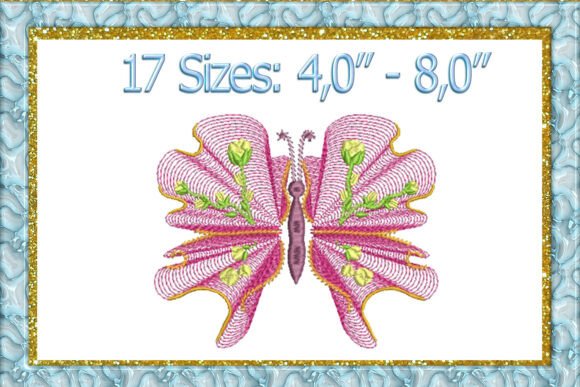
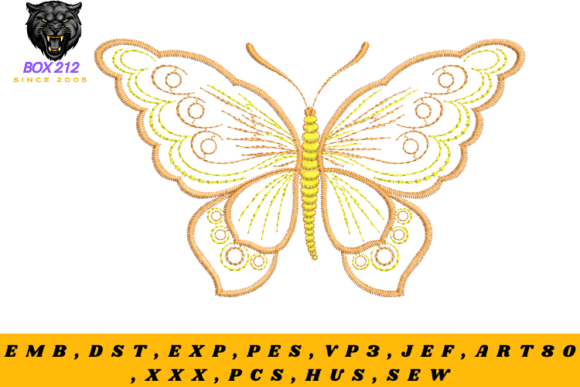
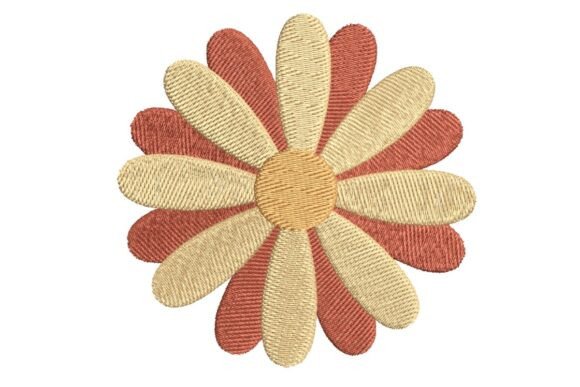
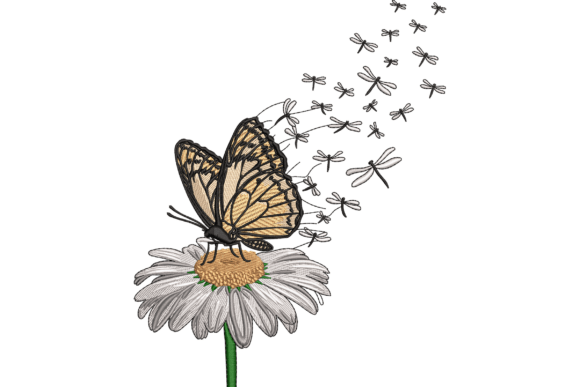
When I first open the Butterfly and Daisy embroidery design, I’m immediately struck by its gentle mood. This isn’t a bold statement piece; it’s a soft, delicate invitation. The composition feels balanced and peaceful—a butterfly resting on a daisy, a classic motif that speaks to a sense of calm and natural beauty. The layout is straightforward, without overly complex layers or competing focal points, which means it translates beautifully into a clean, legible embroidery project.
Where This Design Finds Its Perfect Home
This design’s visual personality is inherently sweet and universal. It feels tailor-made for projects where you want to add a touch of warmth without overwhelming the base item. In my mind, I immediately picture it on the corner of a linen kitchen towel or the front pocket of a canvas tote bag. It has that gift-ready quality. I’m thinking of a custom embroidered patch on a child’s backpack or delicately stitched onto a cotton baby blanket for a nursery. For Etsy sellers and creative entrepreneurs, this is a versatile asset for creating personalized gifts—think Mother’s Day, birthdays, or simple housewarming presents.
More Than Just Clothing: A Broad Application
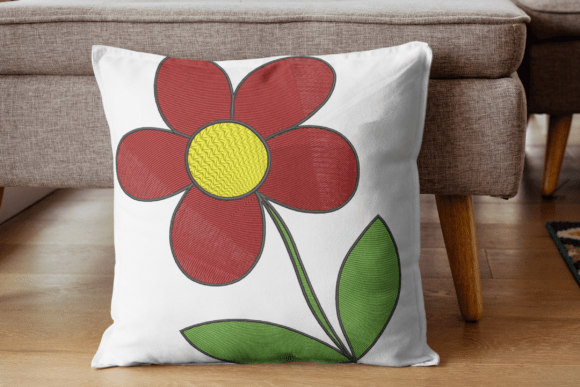
While it’s listed as ideal for clothing, I find its application wider. On a sweatshirt or t-shirt, it works best as a smaller accent, perhaps near the collar or on a sleeve, to maintain its delicate feel. For home decor, it shines on pillow covers and lightweight aprons. The theme is so recognizable that it adds instant visual appeal to any handmade product, boosting its perceived value as a thoughtful, crafted item.
The Practical Stitching Considerations
Embroidery isn’t just about the digital file; it’s about how it translates into thread and fabric. With Butterfly and Daisy, the detail level appears moderate—enough to give the butterfly wings and flower petals character, but likely without microscopic intricacies that might get lost. This is good news for execution. However, its success depends entirely on thoughtful application.
Where you need to be careful: On very small hoop sizes, the design’s elements must remain distinct. On textured fabrics like terry cloth or loose weaves, the stitch clarity could suffer if the stabilizer isn’t robust. On dark fabric backgrounds, the choice of thread colors is critical—you need enough contrast for the daisy and butterfly to pop, not fade into the background. And on curved surfaces like caps, the layout might need slight adjustment to sit correctly.
A Note on Durability and Presentation
For items that will see frequent washing—like baby clothes or household linens—the stitch density matters. A design with too dense fills can feel stiff and may wear differently. Butterfly and Daisy looks, from its composition, to have areas of both fill and outline, so testing on a scrap of your intended fabric is non-negotiable. This step builds customer trust in your finished work; it shows professionalism and ensures the final product looks crisp after many uses.
Turning a Digital File into a Commercial Asset
For small business owners and apparel decorators, this embroidery design is a solid candidate for a product line. Its theme is evergreen, appealing to nature lovers and those seeking a soft, feminine touch. It can create brand consistency across a range of products—from craft fair tote bags to boutique baby gifts. In my experience, designs like this have strong buyer engagement because they evoke a positive, familiar emotion.
Using it for commercial embroidery or as a basis for digital product previews in your shop requires one crucial step: confirming the licensing terms of the embroidery file. Before selling any finished product or using the design in commercial projects, you must know the rules. This protects your business and respects the designer’s work.
Essential Designer Notes Before You Hoop
- Always test first. Run the design on a scrap of your actual project fabric. Check how the small details of the butterfly antennae or daisy center look.
- Evaluate color contrast. View the design in a simple black-and-white mockup to judge its form. Test your thread palette on both light and dark backgrounds.
- Match the hoop size to the detail. Ensure the chosen size preserves the design’s integrity without distorting its delicate parts.
- Use the proper stabilizer for your fabric. This is key for maintaining stitching clarity, especially on stretchy or thin materials.
- Consider the final product’s context. Will it be a high-wear item like a cap? A decorative piece like a pillow cover? Your preparation should match the use.
The Final Impression: A Reliable, Heartfelt Design
Butterfly and Daisy feels like a dependable design. It’s not trying to be the most innovative file in your library; it’s aiming to be a beautifully executable one. It brings a sense of handmade warmth to projects, enhancing their giftability and handmade presentation. For hobbyists, it’s a satisfying project. For makers running a craft business, it’s a versatile, appealing design asset that can adapt to many products. In the end, its value comes from its clear, charming translation from screen to stitch, creating a piece that feels both personal and professionally made.